Discovering the World's Rarest Creatures: A Comprehensive Field Guide

In recent years, interest in documenting and protecting the planet's most elusive species has moved from niche scientific circles into mainstream awareness. Conservation organizations and independent naturalists alike are re-evaluating how field guides are produced, distributed, and used—shifting from static printed volumes toward dynamic, data-rich resources that aim to serve both researchers and the general public.
Recent Trends in Rare-Species Documentation
Digital platforms and community-science initiatives have reshaped how rare animal sightings are reported and verified. Rather than relying solely on expedition teams, modern field guides increasingly incorporate real-time updates from networked observers.
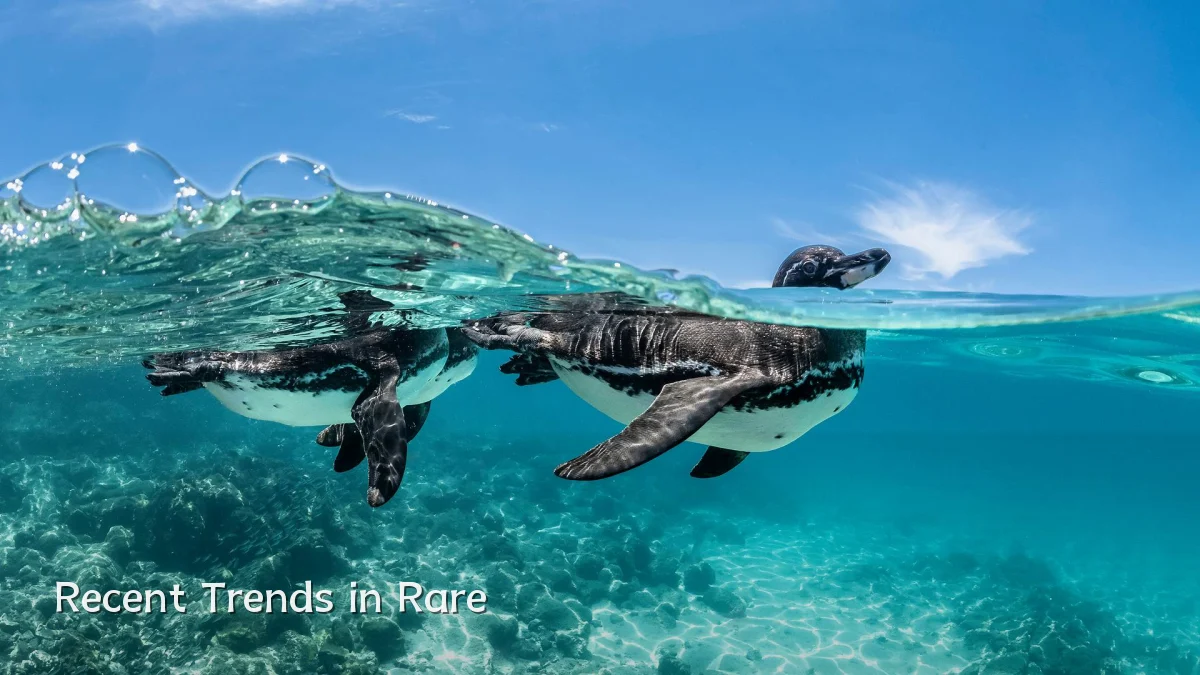
- Crowd-sourced sighting networks allow users to submit geotagged photographs, which are then vetted by expert reviewers before inclusion in regional guides.
- Mobile field-guide apps now offer offline access to species descriptions, range maps, and audio calls—critical for fieldwork in remote areas without connectivity.
- AI-assisted identification tools help users narrow possibilities based on morphology, habitat, and behavior, reducing misidentification of cryptic or seldom-seen animals.
Background: The Evolution of the Field Guide
The concept of a comprehensive field guide dates back to early naturalist catalogues, but the modern version is a practical tool designed for identification in the field. Recent developments reflect a growing recognition that rare creatures often inhabit overlapping ranges and require nuanced diagnostic criteria.

Traditional guides prioritized common species, leaving enthusiasts with incomplete resources when encountering an unfamiliar animal in a remote ecosystem. Newer compilations aim for greater coverage, including subspecies, color morphs, and animals known only from a handful of documented sightings.
This shift has been driven partly by taxonomic revisions, which frequently split or lump species based on genetic evidence. A guide considered authoritative a decade ago may now contain outdated classifications, underscoring the need for regularly updated references.
User Concerns: Reliability, Accessibility, and Ethical Use
Naturalists and conservation professionals raising concerns about these resources focus on three main areas.
- Data accuracy – Users worry that crowd-sourced entries may include unverified observations or misidentified individuals, potentially misleading hikers, researchers, or policy makers.
- Accessibility gaps – While digital guides offer portability, many rare-species resources remain behind paywalls or are published only in English, limiting their use by local communities in biodiversity hotspots.
- Ethical considerations – Detailed location data for extremely rare or poaching-vulnerable species can unintentionally facilitate illegal collecting or disturbance. Some guides now omit precise coordinates, providing only regional or habitat-level information.
Likely Impact on Conservation and Education
Wider availability of comprehensive rare-animal field guides is expected to influence both on-the-ground conservation and public engagement, though outcomes will depend on how the information is used.
- Improved species monitoring – With better identification tools, citizen scientists and park rangers can contribute more reliable records, helping track population changes over time.
- Targeted conservation planning – Guides that include habitat requirements and known threats enable local authorities to prioritize areas for protection or restoration.
- Enhanced ecotourism value – Travelers seeking rare wildlife experiences may choose destinations that promote responsible viewing, generating revenue for conservation programs.
However, these benefits depend on the guide's ability to remain current. A species newly listed as endangered or critically endangered may require updated status flags and management recommendations that static publications cannot easily provide.
What to Watch Next
Observers tracking the field-guide landscape point to several developments that could reshape how rare creatures are catalogued and discovered.
- Integration with environmental DNA (eDNA) data – Future guides may link field observations with genetic sampling results, helping confirm species presence even when animals are not directly seen.
- Adaptive licensing models – Publishers are experimenting with tiered access, offering basic identification free while charging for detailed ecological profiles or high-resolution imagery.
- Cross-platform interoperability – Efforts to standardize species codes and data formats could allow a single guide to pull from multiple museum databases, research networks, and government surveys, reducing duplication.
For now, the most effective approach for anyone serious about rare-animal identification is to cross-reference multiple sources—digital and print—and to treat any single guide as a starting point rather than a final authority. Active verification, peer consultation, and field experience remain indispensable companions to even the most comprehensive reference work.