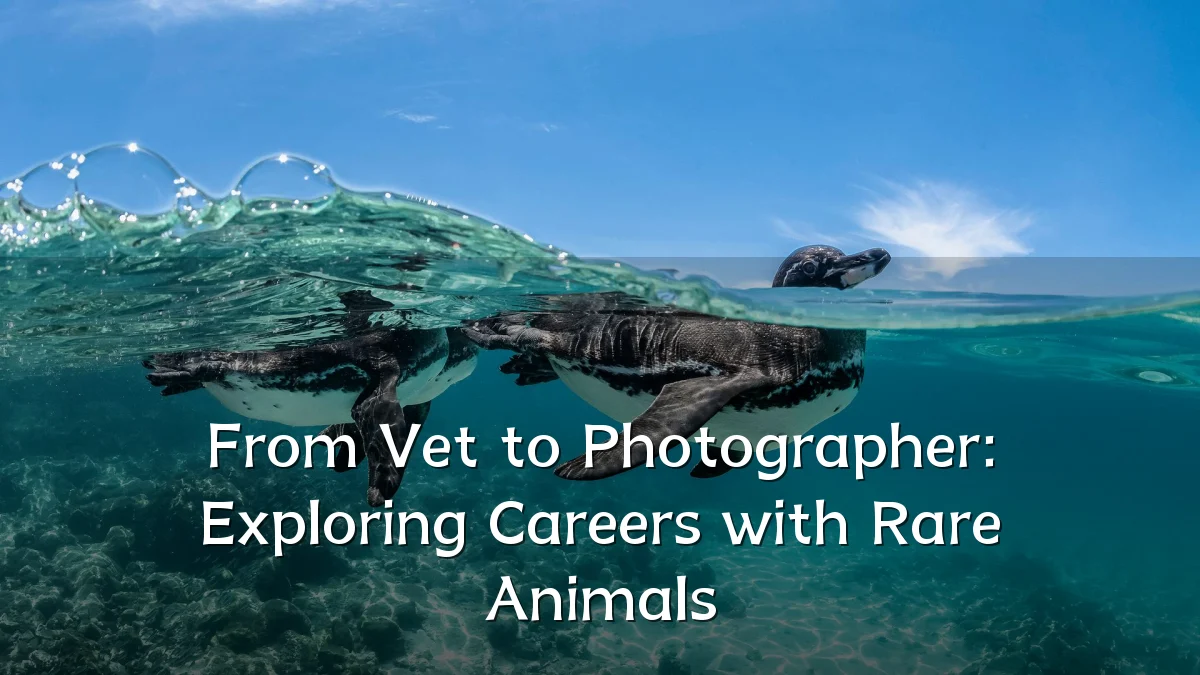
From Vet to Photographer: Exploring Careers with Rare Animals
Recent Trends in Rare-Animal Careers
Over the past few years, professionals who work with rare species have increasingly blended roles traditionally seen as separate. Veterinary medicine, wildlife photography, and zoo management are converging as individuals pursue careers that combine clinical care with visual storytelling. Social media platforms and documentary streaming services have raised public appetite for behind-the-scenes content, pushing more vets and biologists to pick up cameras as part of their daily work.
- Wildlife rehabilitation centers now commonly hire staff with both veterinary training and photography skills.
- Conservation organizations fund “visual storyteller in residence” programs to document rare species.
- Online courses in wildlife photography have seen enrollment growth among veterinary students.
Background: Traditional Pathways and Expanding Roles
The classic career path for rare-animal work typically led to a zoo veterinarian, a field biologist, or a nature photographer. Each role operated in its own sphere. Today, the boundaries are softening. A growing number of veterinarians supplement their clinical income by licensing rare-animal images, while photographers collaborate with field researchers to document health assessments and release events.
This shift reflects broader changes in how conservation funding works. Donors and grant bodies increasingly expect visual evidence of impact, so a team that can capture both a physical exam and a compelling photograph holds a competitive advantage.
User Concerns: Training, Ethics, and Practical Challenges
People considering such hybrid careers often worry about the steep learning curve. Veterinary medicine requires years of accredited study, and professional wildlife photography demands expensive equipment and portfolio-building time. Ethical questions also arise: close-up photography can stress rare animals, and the line between documenting and intervening is not always clear.
- Duplicative training: Few institutions offer joint degrees in veterinary science and visual arts; most candidates pursue one path first, then cross-train through workshops or apprenticeships.
- Permits and liability: Working with endangered or protected species usually requires federal or local permits, which vary greatly by region and species.
- Financial instability: Freelance photography income is unpredictable, and veterinary salaries in wildlife sectors are often lower than companion-animal practice.
Likely Impact on Conservation and Public Awareness
When a single professional can examine a rare animal and then produce shareable media, the conservation message reaches wider audiences. Researchers report that posts combining scientific context with high-quality imagery generate more public engagement than text-only reports. This can translate into faster fundraising for emergency rescue operations and habitat protection.
At the same time, the trend may pressure already scarce veterinarians to split focus between clinical tasks and content creation, potentially slowing field research if not managed carefully. The net effect is likely positive for awareness but requires deliberate time budgeting.
What to Watch Next: Emerging Specializations and Tools
Several developments are likely to shape this field in the coming years:
- Drone and remote-camera training: Veterinarians and photographers are learning to operate drones for non-invasive observation and health monitoring of rare species.
- Telemedicine documentation: As wildlife telemedicine expands, professionals who can create clear visual records of symptoms and treatments will become more valuable.
- Cross-certification programs: A few universities are piloting short certificate tracks in conservation media for veterinary graduates.
- AI-assisted editing: Automated tools for sorting and tagging thousands of field images could free up time for clinical work.
While the path from vet to photographer is not yet a formal career ladder, the trend suggests that those who can bridge both worlds will play an outsized role in how society understands and protects rare animals.