New Vaquita Population Found in Gulf of California – Hope for the World's Rarest Marine Mammal

Recent field surveys in the northern Gulf of California have detected a small but previously undocumented group of vaquitas. Marine biologists report that acoustic monitoring and visual sightings now indicate the world’s most endangered marine mammal may have a foothold beyond its known primary refuge. While the discovery does not change the species’ critical status, it offers fresh direction for conservation planning.
Recent Trends in Vaquita Monitoring
Until the latest findings, official estimates placed the remaining population below a dozen individuals, confined to a small core zone in the Upper Gulf. Observational methods have steadily improved, allowing researchers to distinguish between isolated sightings and distinct social groupings. The newly identified cluster appears to inhabit waters several kilometers from the main known aggregation.
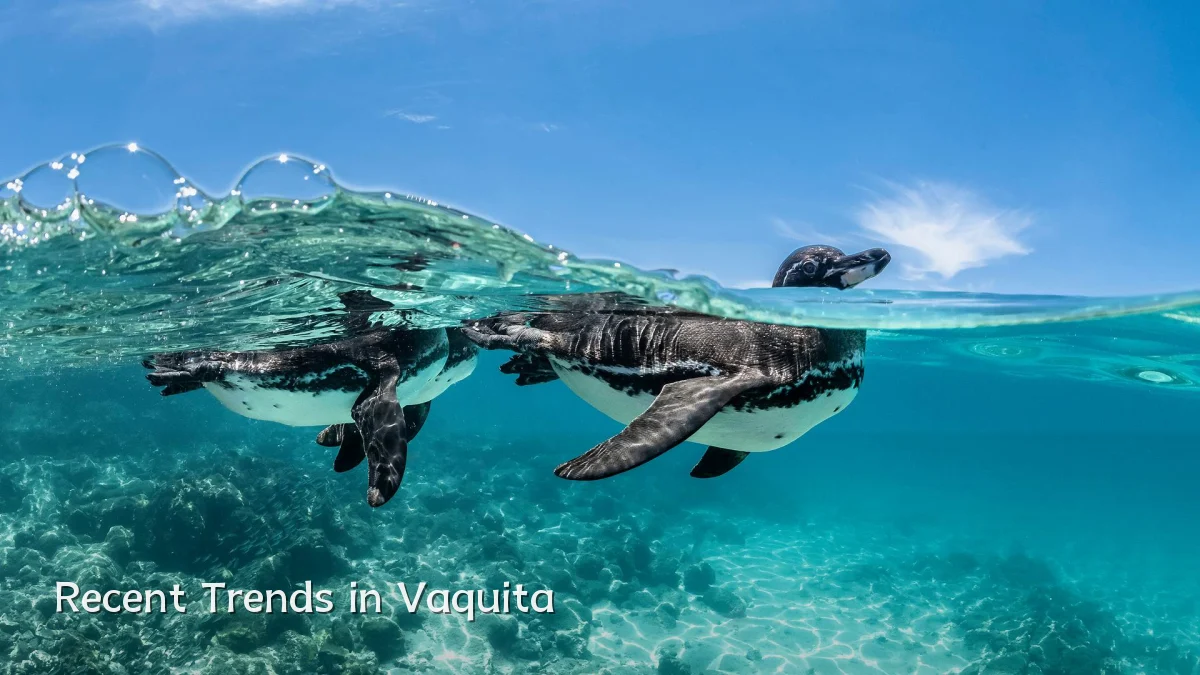
- Acoustic arrays deployed in recent months recorded repeated detections in a less‑patrolled sector.
- Boat‑based visual surveys later confirmed at least three to five individuals, possibly including a calf.
- Genetic analysis of collected fecal samples (pending peer review) could help clarify relatedness to the main group.
Background: Why the Vaquita Remains on the Brink
The vaquita (Phocoena sinus) is endemic to the shallow, murky waters of the northern Gulf of California. Its decline stems overwhelmingly from entanglement in illegal gillnets set for the totoaba, a fish whose swim bladder is trafficked to Asian markets. Despite a permanent gillnet ban in the Vaquita Refuge, illicit fishing persists, and enforcement remains uneven. Previous rescue efforts, including a failed captive‑breeding attempt, underscored the species’ fragility.

“Every new detection matters, but the population as a whole remains at high risk from a single threat – gillnet bycatch. The discovery does not reduce that risk without on‑the‑water protection.”
User Concerns: What This Means for Conservation Efforts
Conservationists and local fishing communities have immediate questions about the discovery’s implications.
- Will the new area gain protected status? Mexican authorities may consider expanding the existing refuge zone, but any change requires balancing enforcement capacity with community livelihoods.
- Could this be a sign of population increase? Not yet. The newly observed group likely represents a remnant fragment rather than new births; total numbers remain in the low tens.
- Are there additional undocumented groups? Possibly. Researchers plan to expand acoustic coverage northward, but logistical and funding constraints limit how quickly surveys can scale.
Likely Impact on Vaquita Recovery Outlook
In the short term, the finding adds urgency to anti‑poaching patrols and alternative fishing gear trials in a wider area. It may also unlock new international funding for monitoring technologies, such as drones and automated detectors. However, the core challenge – eliminating illegal gillnets from the entire vaquita range – remains unchanged. If enforcement does not improve, the new subpopulation could vanish within a few seasons.
- Positive scenario: Expanded protection zone leads to zero‑net‑mortality in the newly identified habitat, allowing the group to grow and potentially reconnect with the main population.
- Negative scenario: The discovery distracts from the primary threat; illegal nets shift into the new area, and the fragment disappears before protection is effective.
What to Watch Next
Over the coming months, several developments will determine whether this discovery becomes a turning point or a footnote.
- Peer‑reviewed results from the genetic analysis – expected within six to nine months – will confirm whether the new group is genetically isolated or part of a single breeding population.
- Satellite tagging of individual vaquitas, if approved by regulators, could reveal movement corridors and inform a more dynamic management zone.
- Enforcement metrics from the Mexican Navy and environmental prosecutors: a drop in totoaba‑net seizures would indicate waning political will.
- Fisheries transition programs – whether more local boats adopt vaquita‑safe gear (e.g., shrimp trawl TEDs or line‑caught methods) will gauge community buy‑in.