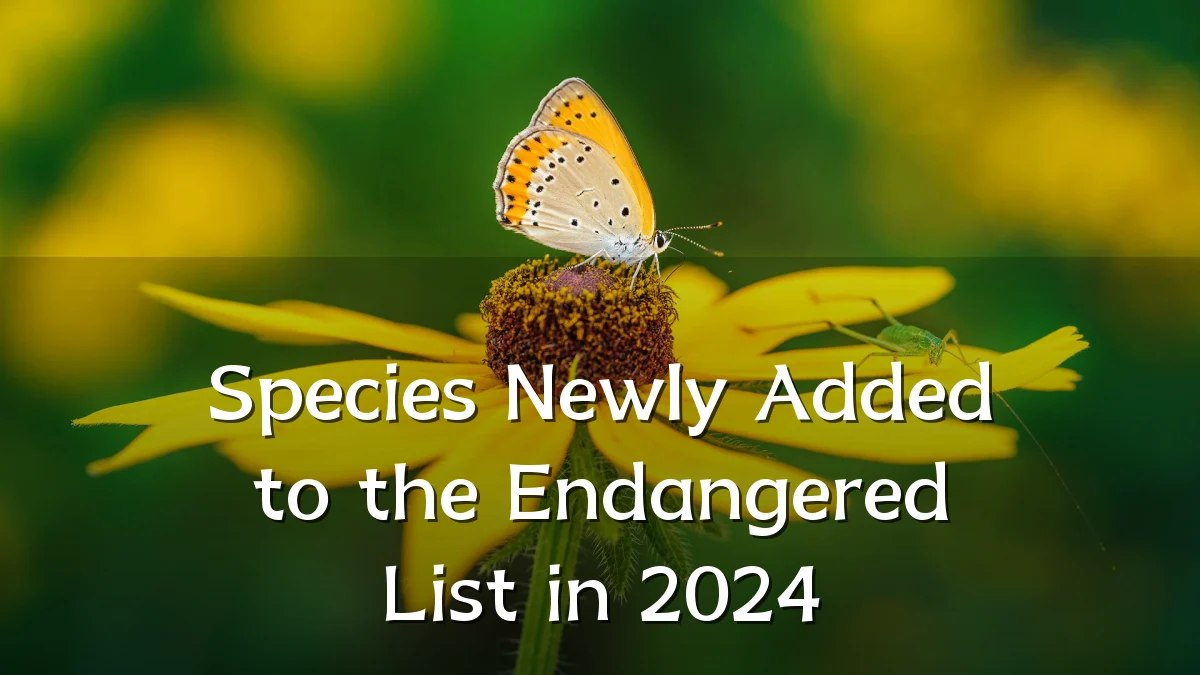
Species Newly Added to the Endangered List in 2024
Recent Trends
Annual updates to the global endangered species database in 2024 have highlighted a continued acceleration in listing rates across multiple taxonomic groups. While a handful of species have shown signs of recovery thanks to sustained conservation efforts, the net number of newly assessed or reclassified listings has risen. Key patterns observed this cycle include:

- A pronounced increase in freshwater species—particularly fish and mollusks—driven by pollution, dam construction, and water extraction.
- Several amphibian populations pushed into threatened categories due to the combined effects of chytrid fungus and expanding agricultural frontiers.
- Island-endemic birds and reptiles added after invasive predators (rats, feral cats) were found to have eliminated small, isolated populations.
- Marine species, including certain coral species and sharks, receiving upgraded statuses linked to warming seas and overfishing pressure.
Background
Species are added to the endangered list through a formal assessment process, most often conducted by the International Union for Conservation of Nature (IUCN) and regional nature agencies. A species qualifies as endangered when it meets specific criteria: a population reduction of 50–70% over ten years or three generations, a geographic range smaller than a certain threshold, or a very small number of mature individuals combined with continuing decline. Factors leading to these listings in 2024 remain consistent with long-term drivers:

- Habitat loss: Conversion of forests, wetlands, and grasslands for agriculture, urbanisation, and resource extraction.
- Climate change: Shifting temperature and rainfall patterns that alter breeding cycles and food availability.
- Overexploitation: Unsustainable hunting, fishing, and harvesting for trade or subsistence.
- Invasive species: Non-native predators, competitors, or diseases that native fauna and flora have not evolved to withstand.
User Concerns
For conservation-minded readers, the addition of species to the endangered list raises practical questions about what these changes mean for everyday engagement and policy. Common concerns include:
- Funding uncertainty: Will limited government and NGO resources stretch to cover newly listed species, potentially diverting attention from already vulnerable populations?
- Impact on local communities: New protections may restrict land use or fishing access, affecting livelihoods without immediate compensation measures.
- Wildlife tourism: Iconic species that become more threatened could face stricter tourism guidelines, altering the economics of nature-based travel.
- Personal responsibility: Individuals wish to know whether changes in consumer choices (e.g., palm oil, seafood, wood products) can mitigate new listings.
Likely Impact
The 2024 additions are expected to influence several areas of conservation, policy, and research over the coming years:
- Legal protections: Many countries use international and national endangered lists to trigger habitat designation, anti-poaching enforcement, or trade restrictions under CITES.
- Conservation planning: Wildlife agencies may adjust priority areas for protected reserves and captive breeding programs, particularly for species with limited remaining habitat.
- Research funding: New listings often unlock grants for population surveys, genetic studies, and threat mitigation strategies for poorly understood species.
- Public awareness: High-profile additions (e.g., certain primates, reptiles, or plants) can drive media attention and citizen science participation, though the effect may fade quickly.
- Risk of extinction delays: For many newly listed species, the listing itself does not halt declines; impact depends on the speed and scale of follow-up action.
What to Watch Next
As 2024 progresses, several developments will shape the outlook for these newly endangered species and the listing process itself:
- Upcoming reassessments: Several species currently listed as vulnerable are scheduled for re-evaluation in the next assessment cycle—conservationists are watching for potential upgrades or downgrades.
- Emerging threats: New agricultural frontiers, deep-sea mining projects, and climate-related extreme events could force rapid reclassifications before the next official update.
- Technology in monitoring: AI-driven camera traps, eDNA sampling, and satellite imagery are being tested to provide real-time data, which may lead to faster, more accurate listing decisions.
- Community-led initiatives: Indigenous and local stewardship programs are gaining recognition; their success in protecting several newly listed species may inform future conservation models.
- International commitments: The 2024 Conference of the Parties to the Convention on Biological Diversity will review progress on protection targets, potentially influencing funding and cooperation for newly listed species.