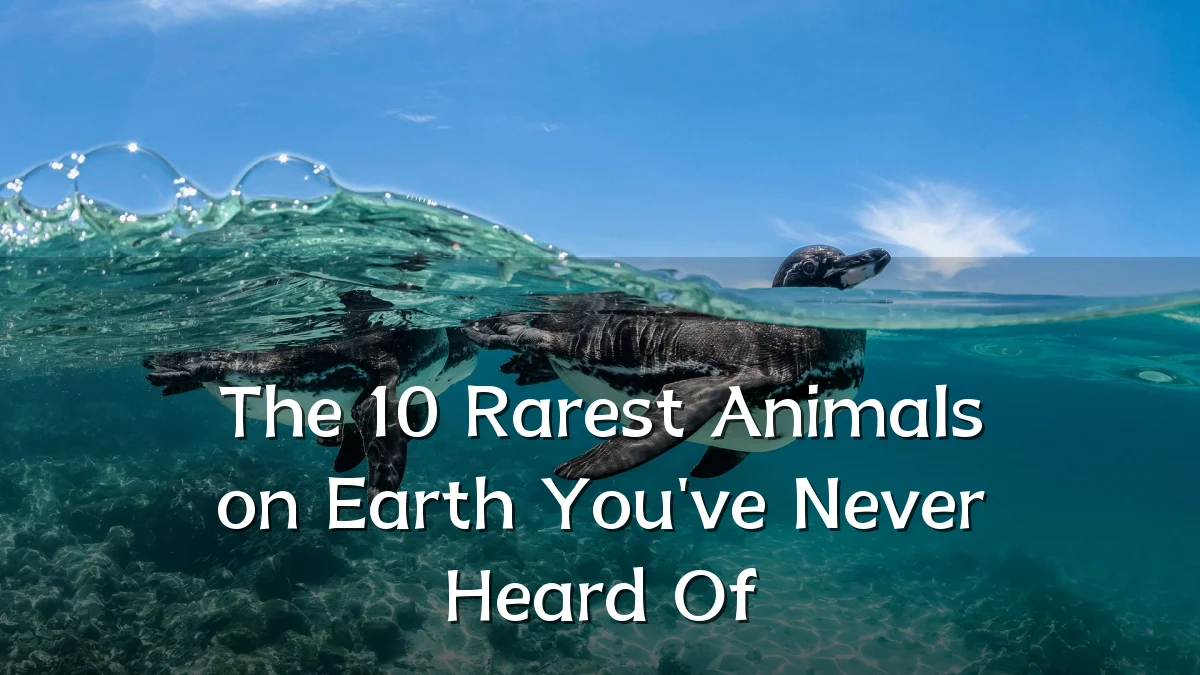
The 10 Rarest Animals on Earth You've Never Heard Of
Recent Trends in Conservation Awareness
Digital media and wildlife documentaries have shifted public attention toward lesser-known species, expanding awareness beyond iconic giants like the giant panda or snow leopard. Social media campaigns, user-generated nature content, and streaming specials have amplified visibility for species that were previously documented only in scientific journals. This trend has created a growing audience for so-called "forgotten fauna" — animals with tiny remaining populations that rarely make global headlines.
Conservation organizations and independent researchers have also begun publishing more accessible species profiles online, focusing on population counts in the dozens or low hundreds. These profiles typically avoid speculative numbers and instead describe habitat constraints, known threats, and monitoring efforts. The result is a more transparent, if sobering, picture of how precariously some animals persist.
Background on Rarity and Endangerment
Rarity is not simply a matter of low population numbers. A species may be considered rare due to a combination of factors: extremely restricted geographic range, specialized habitat requirements, fragmented populations, or persistent human-induced pressures such as poaching, deforestation, or pollution. Many of the world's rarest animals inhabit a single forest, cave system, or island chain, making them acutely vulnerable to localized disasters.

- Endemic species — found only in one defined location, often with no ability to recolonize if that site is degraded.
- Critically low reproduction rates — some animals produce few offspring per year, limiting recovery even when threats are removed.
- Underdocumentation — several extremely rare species have been sighted only a handful of times in the wild, making precise population estimates impossible.
Among the ten rarest animals, many share these traits. They are not simply "hard to find" but exist in such thin margins that any significant environmental change could lead to extinction. International bodies such as the IUCN Red List classify these species under the most urgent threat categories, though the criteria rely on observable data rather than speculation.
User Concerns Around Species Loss
Public concern about the disappearance of rare animals tends to center on emotional and ethical dimensions. Readers often ask whether these species serve a unique ecological function that cannot be replaced, and whether current conservation efforts are sufficient. There is also growing curiosity about what ordinary people can do — including avoiding products linked to habitat destruction, supporting reputable conservation funds, and reporting sightings through citizen science platforms.
Common practical questions from concerned audiences include:
- How can I verify whether a conservation organization is effective?
- Are zoos and breeding programs helping or harming rare species?
- What habitats are most critical to protect for the rarest animals?
- How do land-use changes in distant regions affect these species?
These concerns reflect a broader frustration with the gap between awareness and action. Many people feel that once a species is reduced to fewer than 100 individuals, the window for meaningful intervention has nearly closed — yet conservation scientists point to cases where targeted efforts have stabilized even the most critically low populations.
Likely Impact on Ecosystems and Conservation Efforts
The loss of a very rare animal rarely triggers an immediate ecosystem collapse, but it often signals broader environmental degradation that affects many other species. When a top predator or a specialized pollinator vanishes, the cascading effects can take years or decades to fully manifest. Conversely, protecting the habitat of one rare species typically safeguards dozens or hundreds of other organisms sharing that environment — an argument often called the "umbrella effect."
Conservation efforts for these animals face several structural challenges:
- Funding limitations — rare species with limited public appeal often receive less financial support than charismatic megafauna.
- Political instability — many of these animals reside in regions where governance challenges complicate long-term protection.
- Climate disruption — shifting weather patterns can degrade the microclimates that endemic species require to survive.
However, there are also positive indicators. International collaboration on anti-poaching patrols, habitat restoration, and captive breeding has seen modest success for a handful of species. For example, dedicated conservation programs have been able to hold population numbers steady for some species counted in the dozens, demonstrating that even extreme rarity does not automatically mean inevitable extinction.
What to Watch Next
Monitoring the status of these animals requires following multiple sources — scientific publications, IUCN Red List updates, and field reports from local researchers. Several trends will shape the outlook for the rarest species over the next few years:
- Genome-based conservation tools — genetic monitoring is becoming cheaper and more accessible, helping researchers track relatedness and inbreeding risks among tiny populations.
- Community-led guardianship — Indigenous and local community management of critical habitats has shown promise in reducing poaching and illegal land conversion.
- Policy shifts around wildlife trade — international agreements continue to evolve, and future restrictions on the trade of rare species or their parts may affect survival odds.
- New population discoveries — every few years, researchers locate previously unknown populations of animals thought to be nearly extinct, which resets conservation projections.
For those who want to stay informed without pursuing academic sources, following accredited zoo conservation blogs, the IUCN newsletter, and reputable documentary series provides a steady stream of verified updates. The narrative around the rarest animals is not static; it remains a field where patience, precise data, and public attention can all contribute to a different outcome than the one many expect.